HICLOVER Waste Incinerators: Engineering Precision for Sustainable Thermal Waste Destruction
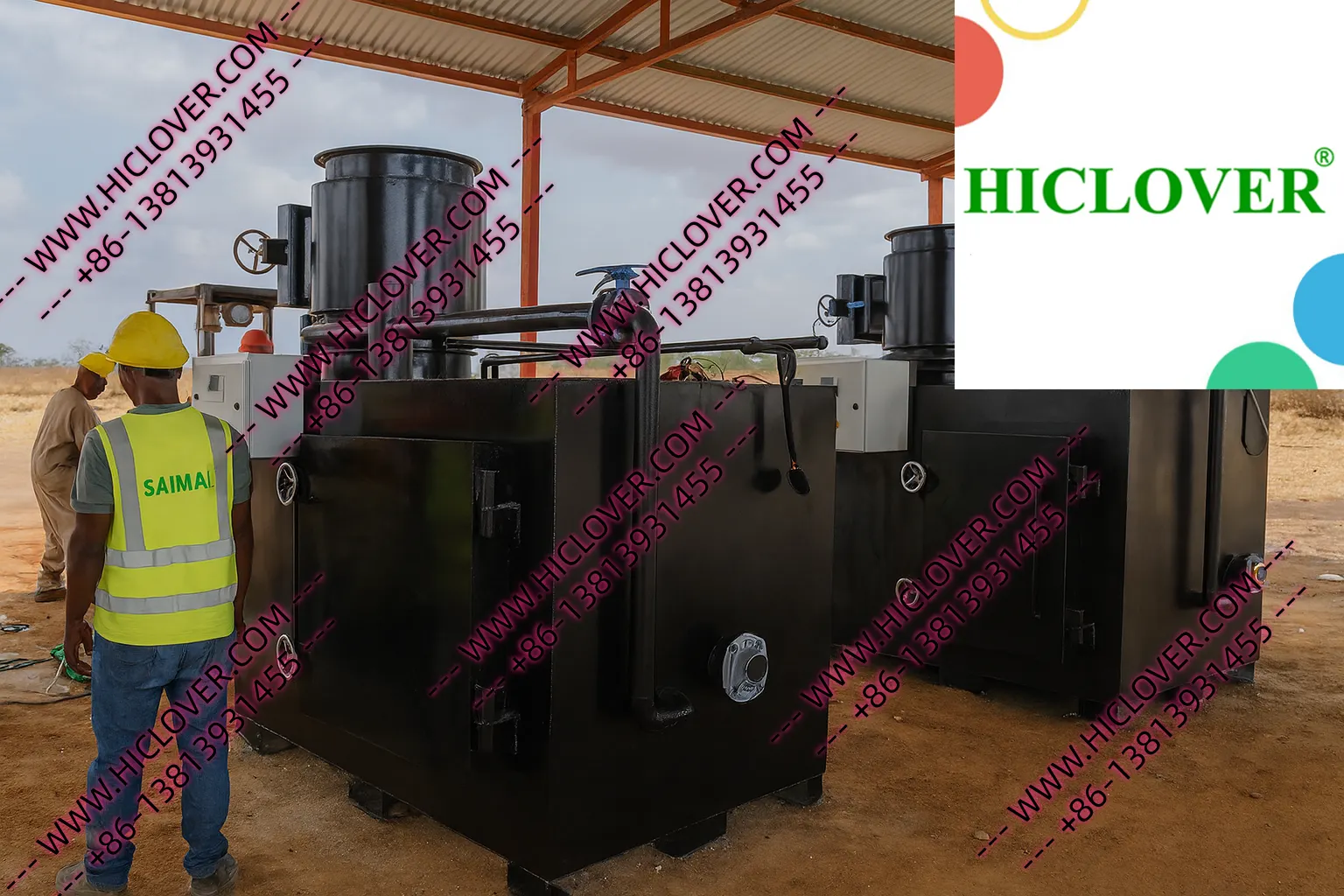
Modern waste incinerators must achieve temperatures exceeding 850°C in the incineration combustion chamber to ensure complete destruction of hazardous materials while complying with WHO emission guidelines. HICLOVER’s engineered systems integrate dual-chamber designs with cement lining refractory materials, delivering reliable performance for medical, animal, and municipal waste streams. The animal incinerator price to performance ratio reflects 16 years of manufacturing optimization in China’s industrial equipment sector.
Thermodynamic Efficiency in Waste Incineration Systems
Secondary combustion chambers in HICLOVER units maintain 1100°C for two seconds minimum, exceeding EU Waste Incineration Directive 2000/76/EC requirements. This temperature threshold ensures:
- 99.99% destruction efficiency for pathogens in medical waste
- Complete pyrolysis of organic compounds
- Reduced particulate emissions through complete combustion
The waste incinerator design incorporates Italian-made burners with multi-fuel capability (diesel/LPG/natural gas), allowing adaptation to regional energy infrastructure. A Google search for secondary chamber temperature standards confirms these parameters align with global best practices.
Modular Configurations for Diverse Applications
HICLOVER’s containerized systems demonstrate particular advantages for:
- Remote mining camps requiring mobile waste solutions
- Disaster response units with plug-and-play operation
- Veterinary clinics needing animal cremation capabilities
Factory-direct manufacturing at HICLOVER’s production facility ensures quality control over all welded joints and refractory installations. The green incinerator approach integrates optional wet scrubbers that reduce acid gas emissions by 95% compared to open burning alternatives.
Operational Economics of Modern Incineration
Lifecycle cost analysis reveals three key financial advantages of HICLOVER systems:
| Factor | Traditional Incineration | HICLOVER Solution |
|---|---|---|
| Fuel Consumption | 15-20 L/hour | 8-12 L/hour |
| Maintenance Cycle | Quarterly | Biannual |
| Chamber Lifespan | 3-5 years | 7-10 years |
PLC automation reduces staffing requirements by 60% compared to manual systems, while real-time monitoring complies with emerging ESG reporting standards. The incinerators from China market segment has evolved beyond cost competitiveness to deliver technical sophistication matching European counterparts.
Environmental Compliance Architecture
HICLOVER’s engineering team addresses four critical regulatory dimensions:
- Particulate filtration through cyclone separators
- Dioxin control via rapid quench systems
- Continuous emission monitoring ports
- Automated data logging for compliance audits
The refractory cement lining in primary chambers withstands thermal cycling better than traditional brick layouts, particularly important in tropical climates with high humidity fluctuations. This design consideration proves vital for operations in Sub-Saharan Africa and Southeast Asia.
As decentralized waste management gains traction globally, HICLOVER’s modular approach provides scalable solutions from single-clinic installations to regional treatment centers. The integration of Industry 4.0 monitoring capabilities positions these systems for smart city infrastructure projects requiring real-time waste tracking.